
Currently Empty: $0.00

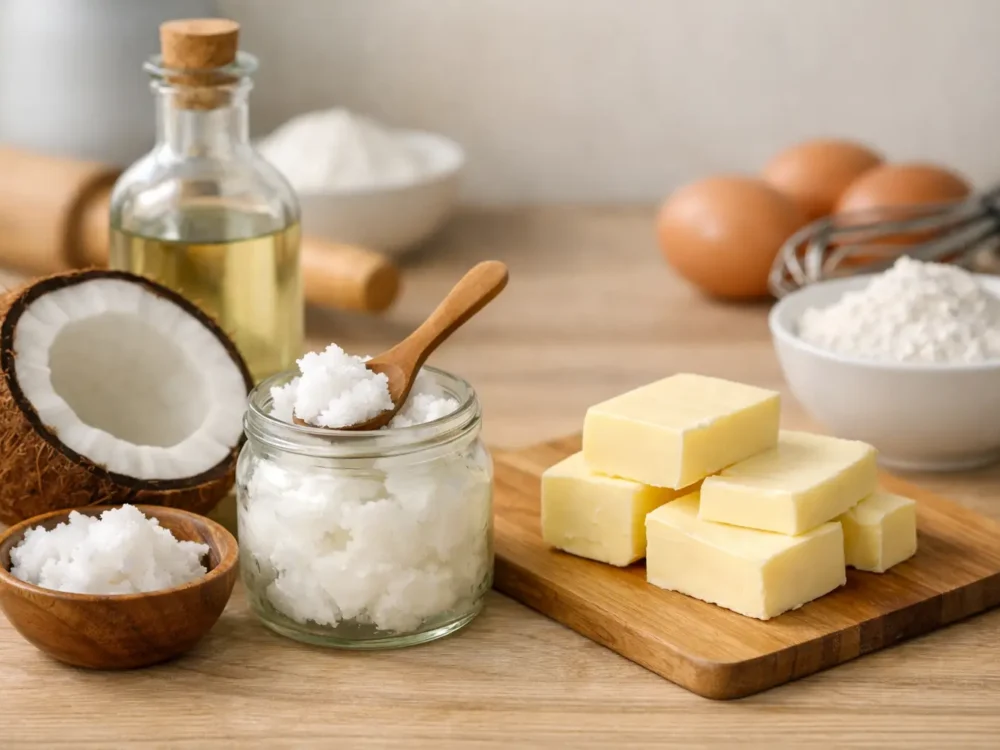
You pull out a recipe, spot butter on the ingredient list, and realize you only have coconut oil in the pantry. That is usually when the real question shows up – can coconut oil replace butter without ruining the final result? The short answer is yes, often. The better answer is that it depends on what you are making, how much structure the recipe needs, and whether you want a neutral finish or a light coconut note.
For health-conscious home cooks, coconut oil can be a practical pantry swap. It is easy to store, simple to measure, and useful across both cooking and baking. But butter and coconut oil do not behave exactly the same way. If you want cookies that spread the right amount, cakes that stay tender, or sautéed foods that still taste balanced, the details matter.
Can coconut oil replace butter in every recipe?
Not in every recipe, and that is where many substitutions go wrong.
Butter is about 80% fat, with the rest made up mostly of water and milk solids. Coconut oil is nearly 100% fat. That difference affects texture, browning, moisture, and even how a batter comes together. In some recipes, coconut oil works beautifully. In others, it changes the outcome enough that the swap feels noticeable.
If your goal is convenience, a dairy-free option, or a more plant-based kitchen routine, coconut oil is a strong substitute. If your goal is to replicate the exact flavor and texture of butter-heavy pastries, it may not be the perfect one-for-one answer.
The best approach is not asking whether coconut oil can replace butter in theory. It is asking whether it can replace butter in the specific thing you are making.
When coconut oil works well as a butter substitute
Coconut oil performs best in recipes where butter is mainly there for fat, richness, and moisture rather than for a very specific structure.
Muffins, quick breads, pancakes, brownies, granola bars, and many simple cookies usually handle the swap well. These recipes tend to be forgiving, and the change in water content does not cause major problems. In fact, coconut oil can produce a soft, tender crumb and a pleasant richness.
It also works nicely in stovetop cooking. For scrambling eggs, sautéing vegetables, greasing pans, or making simple sauces, coconut oil can stand in for butter with little fuss. If you like a cleaner, more neutral kitchen routine with fewer refrigerated staples, this can be an easy switch.
Extra virgin coconut oil may add a mild coconut aroma, which some people enjoy in baked goods, oatmeal, or tropical-style dishes. If you want less flavor impact, refined coconut oil is usually the more neutral choice.
Good use cases for coconut oil
Think banana bread, oatmeal cookies, chocolate brownies, baked oatmeal, waffles, and roasted sweet potatoes. These foods already carry bold or warm flavors, so a subtle change from butter to coconut oil is rarely a problem.
If a recipe is flexible and not highly technical, coconut oil is usually a safe test.
When butter still does a better job
There are recipes where butter is doing more than just adding fat.
In flaky pastries, pie crusts, laminated doughs, and certain cakes, butter contributes flavor, steam, and structure. Because it contains water, butter creates lift in some doughs and batters. Its milk solids also help with browning and add that classic rich, buttery taste that coconut oil cannot fully copy.
Cookies are one of the biggest depends categories. Coconut oil can work, but the texture may shift. You may get a cookie that spreads more, feels denser, or turns out crisp around the edges and softer in the center. That is not necessarily bad. It is just different.
Frostings and buttercream are another area where butter usually wins on taste and texture. Coconut oil firms up differently, especially in cooler rooms or after refrigeration, so the mouthfeel can be less creamy and more waxy.
Recipes where the swap is less reliable
Shortbread, croissants, puff pastry, sugar cookies with a specific shape, and classic butter cakes often depend on butter’s unique properties. In these cases, using coconut oil may still produce something edible, but not something identical.
How to substitute coconut oil for butter
The simplest method is to start with a near one-to-one swap, then adjust based on the recipe.
Because butter contains water and coconut oil does not, many bakers use slightly less coconut oil than butter. A common approach is to substitute 3/4 cup of coconut oil for every 1 cup of butter. If the recipe is forgiving, you can also use a one-to-one volume swap and see how the texture turns out.
If a batter seems too thick after the swap, adding a small amount of liquid can help. A tablespoon or two of milk, plant milk, or water may restore some balance. This matters more in cakes and soft baked goods than in dense bars or brownies.
Temperature matters too. Melted coconut oil behaves differently from solid coconut oil, and both behave differently from softened butter. If a recipe calls for creaming butter and sugar together, that step will not work the same way with melted coconut oil. You may lose some incorporated air, which can make the final product heavier.
A practical rule of thumb
Use melted coconut oil in recipes where melted butter would also be acceptable. Use solid coconut oil only when the recipe benefits from a firmer fat. Even then, expect some variation.
If you bake often, testing a recipe once before serving it for guests is the smart move.
Flavor, texture, and nutrition trade-offs
This is where the answer gets more personal.
Butter brings a familiar savory richness that many people associate with comfort foods and classic baking. Coconut oil brings a different profile. Depending on the type you buy, it can taste neutral or lightly tropical. That may be a plus in some recipes and a mismatch in others.
Texture is another trade-off. Coconut oil can make baked goods tender, but it can also change spread, density, and firmness. Since it solidifies at cooler temperatures and melts quickly in warmth, foods made with coconut oil may feel firmer one day and softer the next depending on room temperature.
From a wellness perspective, some shoppers prefer coconut oil because it is dairy-free, plant-based, and fits easily into a more natural pantry. It is also convenient to keep on hand and works across cooking, baking, and even personal care routines. That kind of versatility matters when you want products that earn their shelf space.
Still, coconut oil is not a nutritional free pass just because it comes from a natural source. It is still a concentrated fat, so portion and overall diet pattern matter more than a single ingredient swap.
Can coconut oil replace butter for everyday cooking?
Yes, and this is actually where it shines for many people.
If you are cooking eggs, sautéing greens, roasting vegetables, or making a quick skillet meal, coconut oil can replace butter with very little adjustment. It is easy to spoon, melts fast, and can simplify meal prep when you want one multipurpose oil in the kitchen.
For busy professionals and routine-focused shoppers, this kind of flexibility is a real advantage. One clean-label staple that works in breakfast prep, baking, and general cooking is often more useful than a fridge full of specialty fats.
Quality matters here. A clean, well-sourced extra virgin coconut oil tends to deliver better flavor and a more dependable everyday experience. If your household values natural ingredients and simple ingredient labels, choosing a product you trust makes the swap easier to stick with.
The smartest way to decide
If you are asking can coconut oil replace butter, the honest answer is yes for many recipes, no for a few, and maybe for the ones in between.
Use it confidently in quick breads, brownies, pancakes, and everyday cooking. Be more careful with pastries, butter-forward desserts, and recipes that rely on creaming or flakiness. When in doubt, think about what butter is doing in the recipe, not just how much of it is listed.
That small shift in thinking makes you a better cook fast. It also helps you build a kitchen around ingredients that match your routine, whether that means convenience, dairy-free cooking, or multipurpose staples like extra virgin coconut oil. If you keep testing with purpose instead of guessing, you will know exactly when the swap is worth it.